A Career Built on Problem-Solving Comes to TREKK
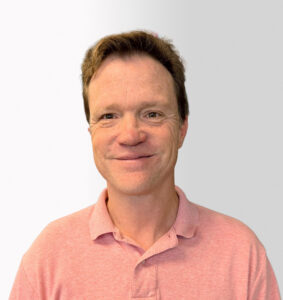
Every project Phil Ruffus has worked on began as a problem someone needed solved: a pavement deteriorating faster than crews manage, a lagoon taking on more flow than it was designed to handle, or a corridor missing a feature its neighbors took for granted. During more than 30 years at the Missouri Department of Transportation (MoDOT), problem-solving became more than a technical skill. It became his way of thinking.
Phil’s approach as always been to understand what is really being asked, uncover the issues beneath the surface, and help the community see a practical path forward. He brings that mindset to TREKK as a Senior Industry Specialist who advises the firm across its roadway and infrastructure projects to look for the best solutions. As Phil puts it, “My goal at TREKK is to answer the question a community doesn’t even know to ask yet.”
Learning from the Ground Up
Phil built his career from the ground up, approaching each new problem one layer at a time. He joined MoDOT in 1995 as a materials inspector, moved to the asphalt division, and then spent more than a decade in geotechnical work. Looking for another challenge, he transitioned to pavement engineering and, eventually, program management. Along the way, he designed and inspected asphalt mixes and learned firsthand why some materials work while others fail. “From all the coring I’ve done, I can see how each asphalt lift has performed over time and and see what actually goes wrong underneath a road,” Phil says. “Once you understand that, you can usually figure out how to fix it.”
That experience remains the foundation of how Phil works. Where others might start at 30,000 feet, he starts with the chemistry beneath the road. Because he later managed those projects, he also understands how technical decisions connect to the funding, schedules, and the communities affected by the work. Phil readily shares his own missteps, which he considers the most useful lessons he can offer a younger engineer.
Solving the Problem No One Wanted to Touch
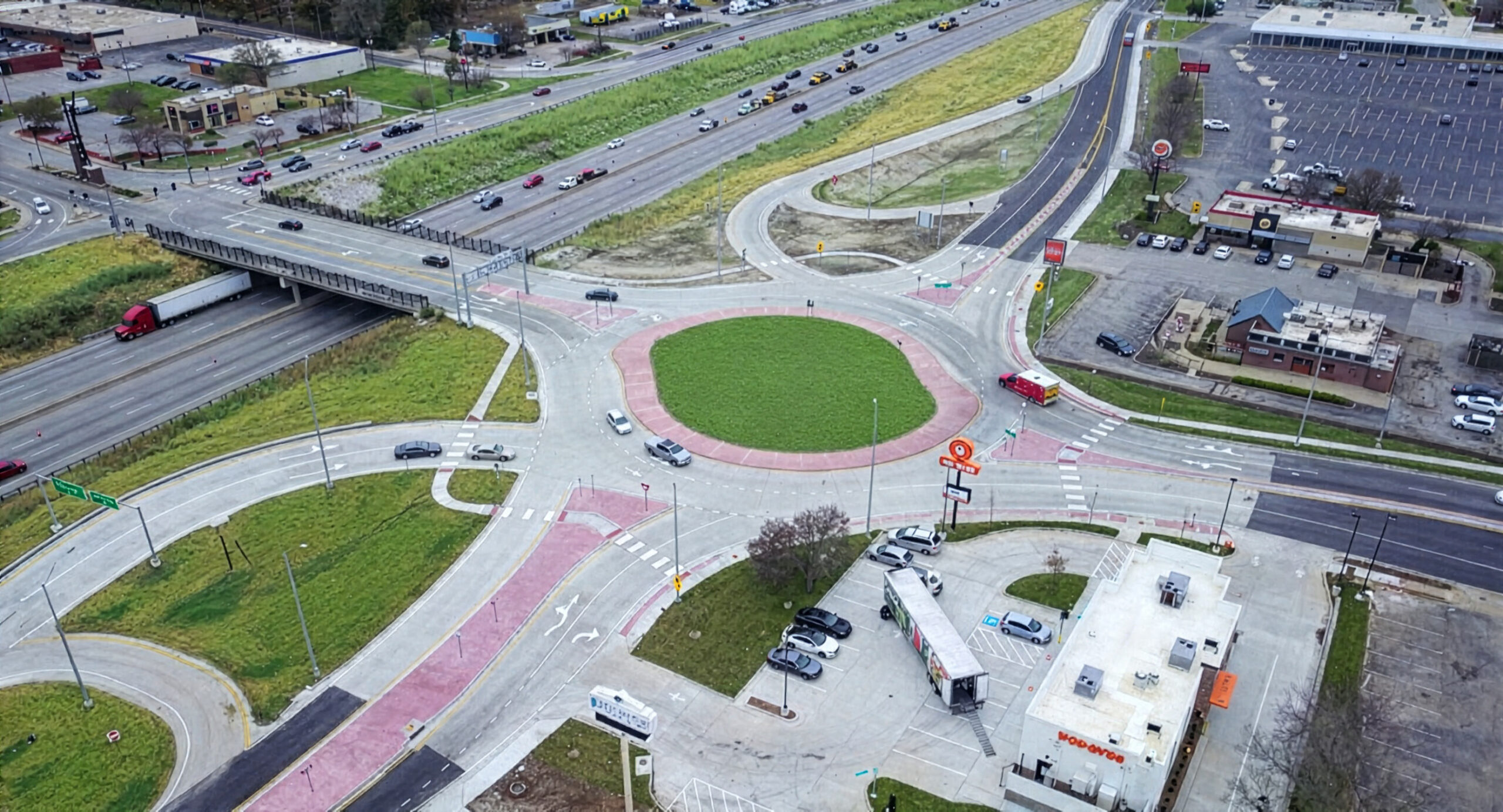
Phil made his mark by designing and implementing the pavement program for MoDOT’s St. Louis Metro District, which covered roughly 7,300 lane miles. Road conditions improved each year under his watch. The problem he inherited was not a mystery; it was a habit.
The District had long relied mainly on a “worst-first” approach; waiting until a road failed and then rebuilding it. While that approach may have felt responsible, it quietly consumed the program while dozens of good roads declined. Phil helped shift the District toward pavement preservation, treating roads while they were still in good condition and spreading limited resources across the entire system. The logic was sound – for every road that needed reconstruction, four or five others could have been preserved. The engineering was not the hardest part. Building trust and changing the direction of a large organization took six years of patience. “I wasn’t the innovator, and I wasn’t the inventor,” Phil says. “The good ideas were already out there. My job was to listen, be the conduit, and try them here. That’s how you solve a problem you’ve never seen before, by finding the people who already have.”
The Small Problems That Matter Most
One of the projects that has meant the most to Phil came near the end of his MoDOT career, and it was not one of the big ones. A modest lighting project in a small community of Northwoods addressed a need for safety and security along Natural Bridge Road. Communities up and down the corridor had street lighting; Northwoods did not. Working with others, Phil helped the city close that gap by connecting it with a utility program. “The neighborhood had no lights, and every community around them did,” Phil says. “When we got them lit, their community became safer and more connected. Those are the victories that actually touch people.” The biggest projects may be defined by their size and complexity, but people often feel the impact of the smaller ones most directly.
Why TREKK
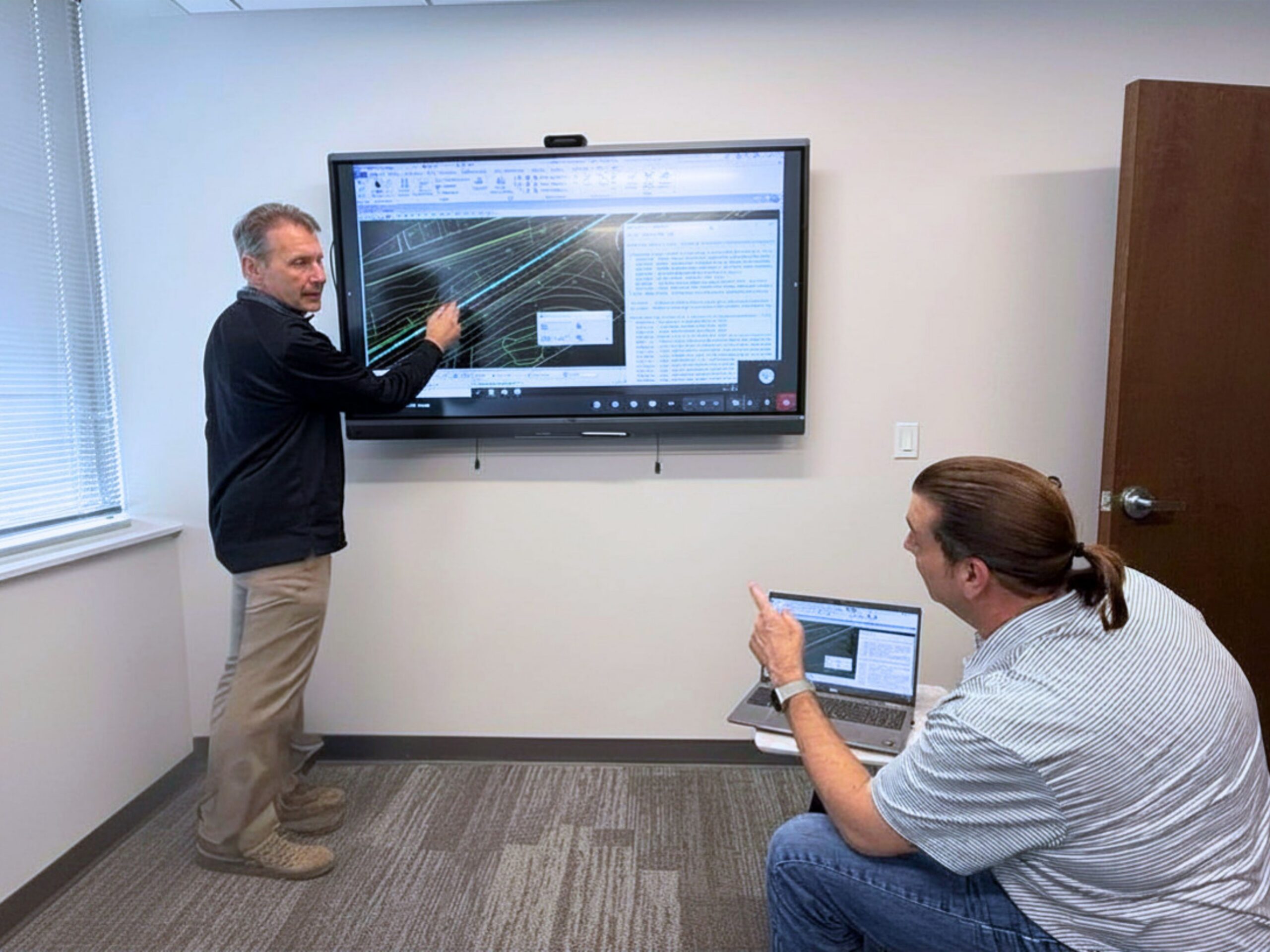
What drew Phil to TREKK was the firm’s genuine desire to make a difference in the communities it serves. During his public sector career, he often recognized community needs before they were fully understood. Phil is not here to do an agency’s job, he is an experienced resource at its side, helping identify problems before they grow. On a recent paving project, he was brought in for a specific task, but ultimately recommended a better approach and identified a funding source the community did not know existed. His offer is simple: pick up the phone, even for a 5 minute conversation. Those small discussions are how trust is built.
Passing It On
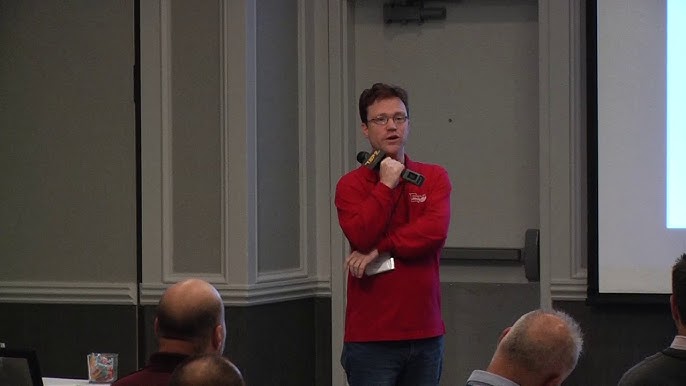
Phil has mentored others throughout his career and intends to continue at TREKK. He recognizes that asking a question out loud can feel uncomfortable for many young engineers, especially when so much learning now happens through books and screens. “The book gives you one answer and the computer another, but the real answers come from listening and asking questions,” Phil says. “A lot of young engineers are afraid to ask, so I’ll be the one to do it. I’d rather look foolish than leave a problem unsolved.” He measures his success by whether the people around him eventually outgrow the need for him.
Beyond the Work
Away from engineering, Phil has devoted much of his life volunteering through Scouting, sports, and his community. An Eagle Scout who still lives by that code, he also enjoys time with his family and loves to travel. He has visited 49 of the 50 states and hopes to complete all 50. The same thread runs life and career; a genuine interest in the people around him and a commitment to leaving things better than he found them.
Phil Ruffus is a Senior Industry Specialist at TREKK, advising public agencies and communities across Missouri and the Midwest on roadway and infrastructure planning, funding, design, and delivery. To talk with Phil about a project or a problem your community is working to solve, contact us.